Designing inclusive washrooms: beyond compliance, towards belonging
Photography credit: Tim Ainsworth
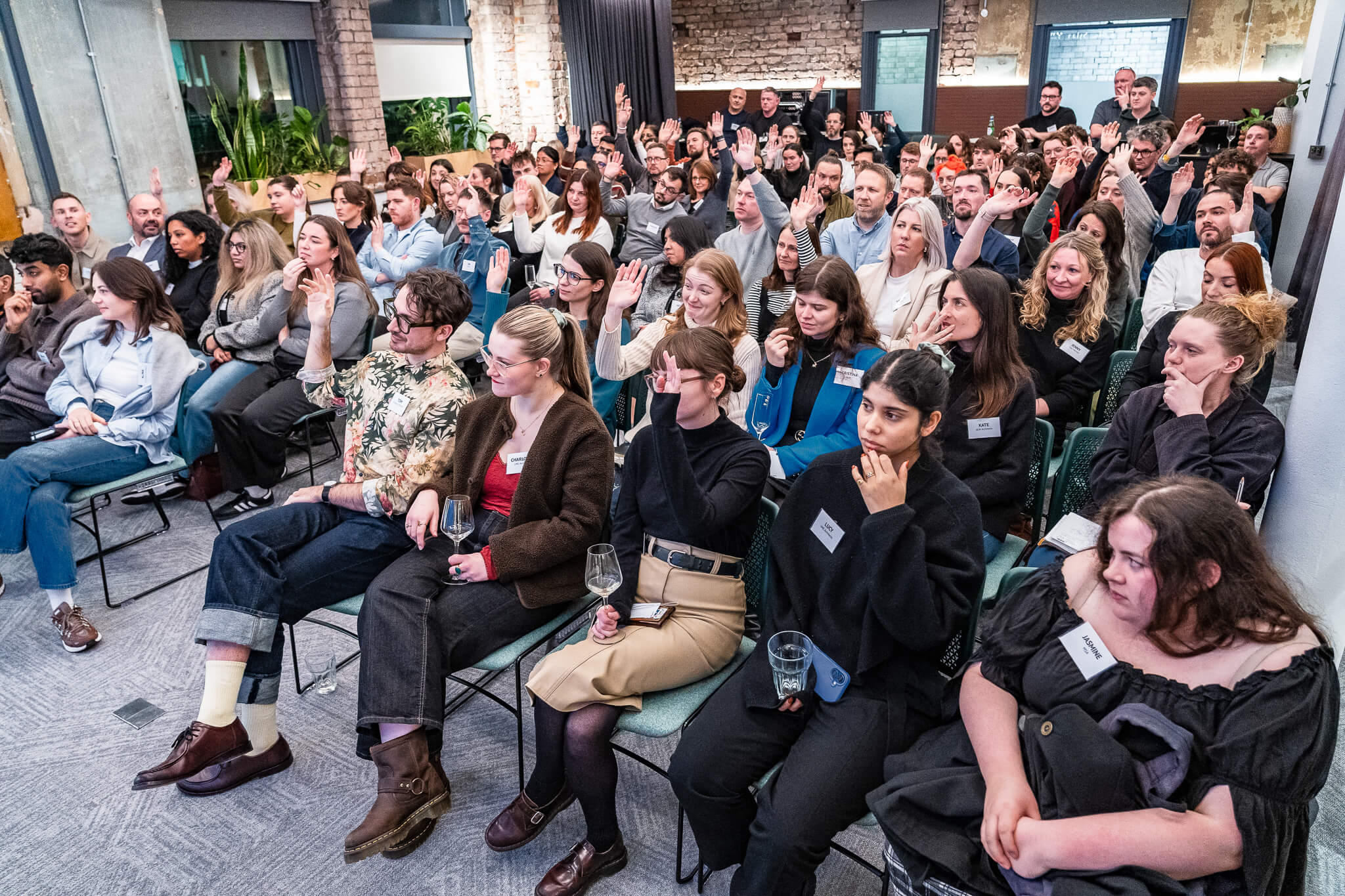
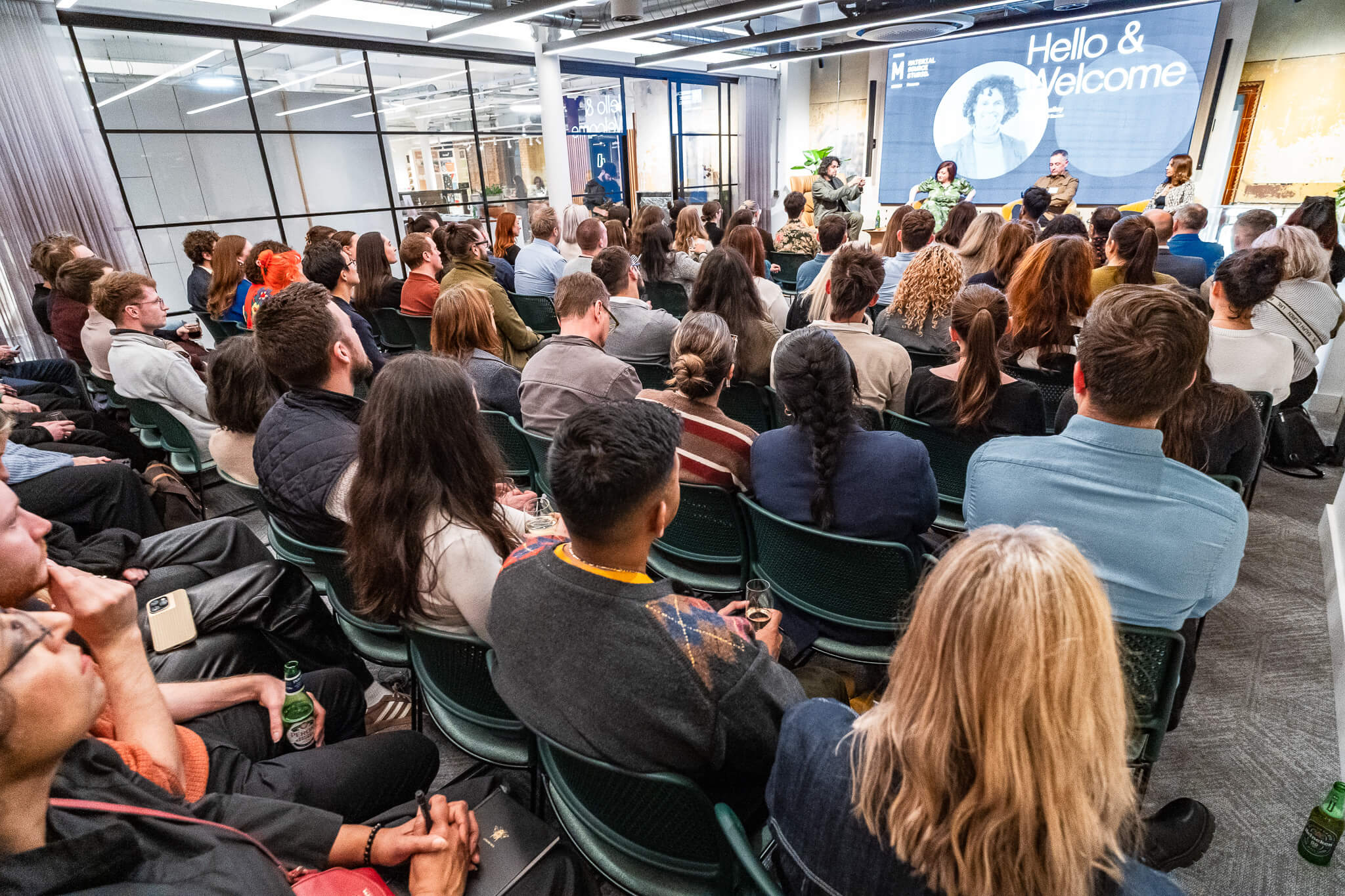
Sylan was proud to sponsor the first seminar in Material Source's 2026 programme, held at a packed Material Source Studio in Manchester, exploring the timely and thought-provoking question:
EBID - too complex, or simply considerate design?
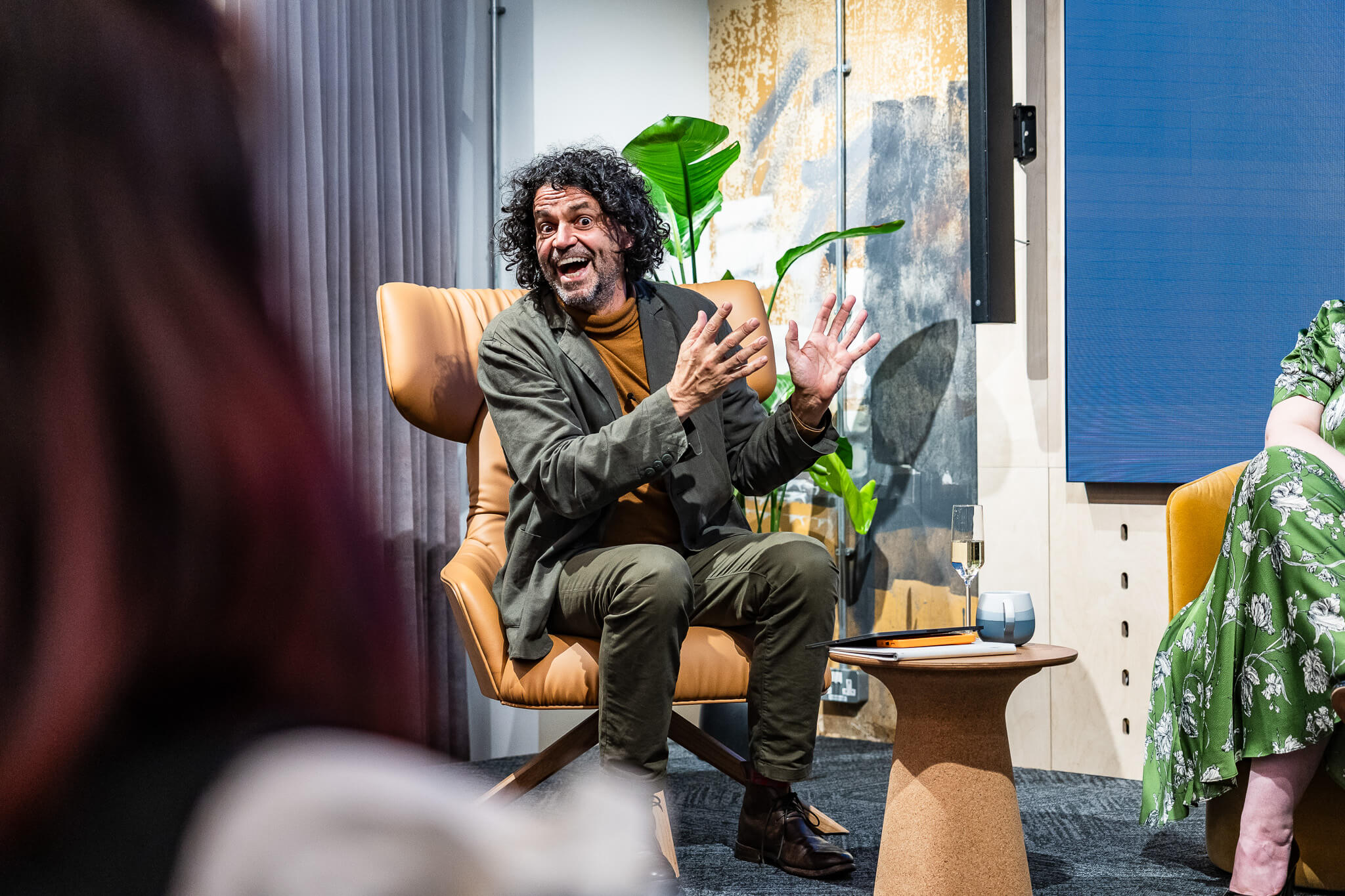
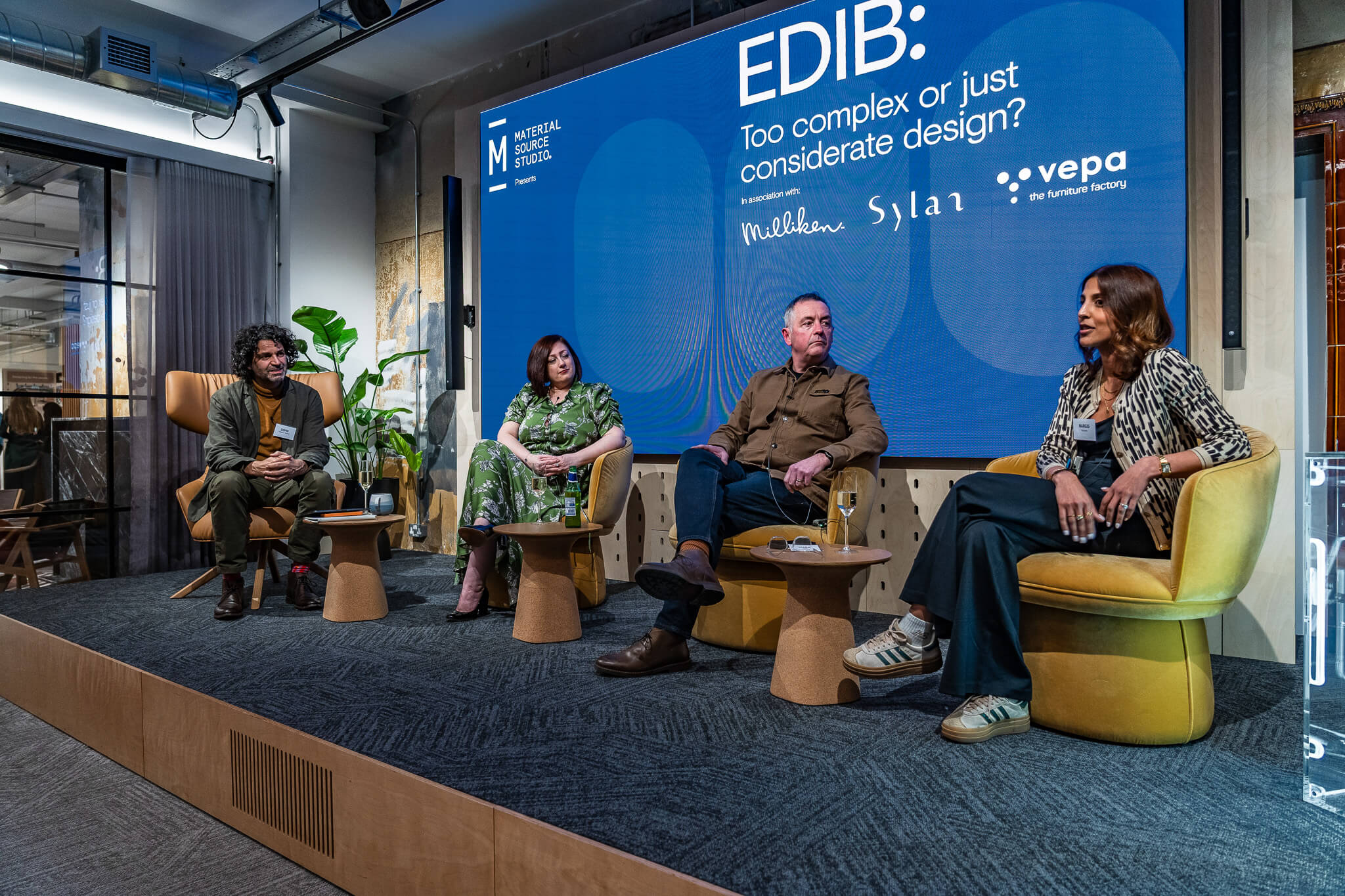
Chaired by Material Source Director David Smalley, the session brought together leading voices from workplace strategy, property and design to examine how Equity, Diversity, Inclusion and Belonging (EDIB) is shaping the future of the workplace — and why inclusive design must move beyond acronyms and into everyday decision-making.
The panel featured:
- Nargis Treherne, Workplace Strategy & Design Lead at Deloitte
- Rachel Kerwin, Head of Property & Facilities at The AA
- Mark Bradshaw, Director at iPWC Ltd Workplace Consultants
While the discussion spanned the wider workplace, many of the themes resonated strongly with one of the most critical, and often overlooked, spaces within any building: the washroom.
From compliance to considerate design
A recurring theme throughout the discussion was that while EDIB may not always be explicitly referenced in project briefs, its principles are increasingly embedded within workplace design strategy — from providing choice and control over work settings, to supporting diverse physical, sensory and neurodiverse needs.
This thinking translates directly to washroom design. Too often, washrooms are approached through a narrow lens of compliance, with Approved Document M and the recently introduced Approved Document T treated as the final word rather than the foundation they are intended to be. Both documents are vital in setting washroom design standards around access, dignity, safety, and provision.
However, as the panel emphasised, regulations should be considered the minimum standard, not the ambition. Truly inclusive washroom design goes further, providing spaces that genuinely work for the people using them.
Inclusion without overcomplication
Mark Bradshaw highlighted that meaningful EDIB-led design requires balance across 3 pillars: Property, People and Process, underpinned by strong leadership and a culture that genuinely listens. Inclusivity cannot be treated as a tick-box exercise.
In washroom design, this means engaging with end users alongside facilities teams and designers. Layout, privacy, finishes, fittings and maintenance should all be considered holistically. Tokenistic solutions, such as poorly finished accessible facilities that technically meet guidance but fail to support dignity or comfort, should be avoided. The panel used Approved Document M wheelchair accessible toilets as an example where compliance often ticks the box, but the finished quality is often far below that of the main washroom facilities.
Importantly, inclusive design does not require over-engineering. Thoughtful, flexible choices, informed by regulation but shaped by real-world use, often deliver the best outcomes.
Leadership, culture and confidence to use space
A key theme was that leadership drives inclusive behaviour. Inclusive spaces only succeed when people feel safe and accepted using them as intended.
Whether in quiet zones or inclusive washrooms, visible leadership support and clear communication about how the space is intended to be used are essential. Without this cultural reinforcement, even well-designed spaces can be underused or misunderstood.
For example, during the seminar it was highlighted that in quiet zones, when senior team members use the space themselves, it signals to employees that they can do the same without appearing unproductive. This demonstrates that culture flows from the top, and leadership behaviours set the tone for how spaces are used.
Inclusive design for talent acquisition
The discussion also explored the link between inclusive workplaces and attracting and retaining talent. People increasingly evaluate employers based on how well environments support wellbeing, dignity and individuality.
Washrooms play a surprisingly important role. Well-designed, inclusive washroom facilities signal care, foresight and respect — qualities that matter deeply to a diverse workforce.
Designing with a longevity strategy
Future-proofing was another key takeaway. Rather than redesigning spaces every time needs shift, workplaces (including washrooms) should be adaptable and resilient, remaining effective 10–15 years after completion. This reinforces the principle that regulations should serve as a baseline, not the ultimate aspiration.
Inclusive design isn’t just about current needs; it’s about anticipating change. Workplaces should be flexible so that evolving requirements, including neurodiversity considerations, can be accommodated over time.
An ongoing conversation
Neurodiversity and inclusive design are being discussed more openly than ever, but progress depends on keeping the conversation alive. Employees must feel comfortable voicing their needs, and workplaces and designers must remain responsive, adaptable, and open to learning.
This mindset embraces the reality that we don’t know what we don’t know — the design world is always changing so flexibility and ongoing dialogue are essential.
Sylan’s Approach to Workplace Washroom Design
As a sponsor, Sylan was pleased to support a discussion that closely aligns with our own approach to workplace washroom design: creating high-quality, inclusive washrooms that prioritise dignity, comfort and usability for everyone.
The seminar reinforced that EDIB is more than an acronym — it is a lens through which workplace decisions, from offices to washrooms, should be made. At Sylan, this informs everything that we do.
Thank you to Material Source for hosting, to the panel for sharing their insight, and to everyone who joined us for such an engaging and well-attended event.
Key Seminar Takeaways
- Approved Documents M and Approved Document T regulations set the baseline, not the aspiration — inclusive washroom design should aim beyond minimum compliance.
- EDIB principles must be clearly communicated across all departments, even when the acronym itself isn’t used.
- Leadership must role-model inclusive behaviour, giving people confidence to use spaces without fear of judgement.
- End users need to be involved in the design conversation, not just facilities or property teams.
- Inclusive washrooms support talent attraction and retention, reinforcing a business’s commitment to dignity and wellbeing.
- Future-proofing is essential, with success measured years — not months — after completion.
- Neurodiversity and evolving needs require ongoing dialogue, adaptability and openness to change.
- We don’t know what we don’t know, be open to learning, inclusive design must remain flexible and responsive.
Sylan is a partner at Material Source Manchester. Visit the Sylan POD to explore our luxury washroom products, or get in touch to discuss your next project with a Sylan representative.